Essential Guide to Garage Door Repair in Minnesota
Minnesota winters can be brutal, and your garage door is often the first line of defense between the elements and your home. When a spring snaps, a track bends, or the opener refuses to respond, it's not just an inconvenience. It can become a security risk and a source of energy loss. Whether you live in Minneapolis, Saint Paul, or a smaller community in between, knowing how garage door systems work and what can go wrong helps you make smarter decisions when something breaks. This guide covers the common issues that arise with residential garage doors in this climate, the parts you should know about, and some practical tips for keeping your door running smoothly through every season.
Why Minnesota Puts Unique Strain on Garage Doors
The freeze-thaw cycle of a Minnesota winter does more than mess up the roads. It affects every component of your garage door. Wood doors can swell and warp. Steel doors can contract and expand. The lubricant on rollers and hinges thickens in the cold, making the opener work harder. And the constant temperature shifts mean the weather seal around the bottom and sides of the door takes a beating. Over time, that seal hardens and cracks, letting cold air and snow melt seep in. That's when you start noticing drafts in the garage or even ice forming on the interior side of the door. Regular maintenance helps, but eventually you will need a professional to handle a serious garage door repair Minnesota job.
Another factor is salt. Road salt gets tracked into garages on tires and shoes. It settles on metal parts and accelerates rust on springs, tracks, and hinges. Spring replacement in Minnesota is a common service because the combination of cold temperatures and corrosion weakens the torsion spring over time. A broken spring is not something to ignore. It takes the tension out of the system and makes the door extremely heavy to lift manually. If you try to force it, you can damage the opener or hurt yourself.
Key Components That Fail First
Every garage door system has several critical parts. Knowing them helps you understand what a repair technician is talking about when they diagnose the problem. Here are the components that tend to fail first, especially in a climate like Minnesota's.
- Torsion Spring: This is the coiled metal rod above the door that counterbalances the weight. When it snaps, the door becomes unmanageable. Spring replacement is a dangerous job because the spring is under high tension. It is not a DIY task.
- Garage Door Opener: The motor unit that lifts and lowers the door. Brands like LiftMaster, Chamberlain, and Genie are common in this region. Openers fail when the gears strip, the logic board burns out, or the safety sensors get misaligned.
- Safety Sensors: These are the two small boxes near the floor on each side of the door. They send an invisible beam across the opening. If something blocks the beam, the door reverses. In winter, ice and snow can block the sensors or knock them out of alignment.
- Rollers and Hinges: The wheels that ride in the track and the hinges that attach the door sections to the track. Over time, rollers crack or wear down, especially if they were made of plastic. Steel or nylon rollers last longer but still need periodic lubrication.
- Weather Seal: The rubber strip at the bottom of the door and the vinyl trim along the sides. When this seal dries out, it lets in drafts and moisture. Replacing it is a straightforward fix that improves energy efficiency immediately.
Beyond these parts, the track itself can bend or shift out of alignment. Track alignment is a common issue in homes where the concrete floor has settled unevenly. If the track is not straight, the door will bind, make grinding noises, and eventually wear out the rollers and opener. A technician can adjust the track brackets or replace sections of track as needed.

When to Call for Garage Door Repair in Minnesota
Some problems you can handle on your own. Lubricating the rollers and hinges with a silicone-based spray, cleaning the sensor lenses, and tightening loose bolts are all within reach of a handy homeowner. But there are clear signs that you need a professional to do the work. If the door is off its track, if the spring is broken, if the opener makes strange noises and then stops, or if the door reverses for no reason, those are not quick fixes. They require someone who understands the tension, balance, and safety systems of the door.
Searching for "garage door repair minnesota" brings up a lot of options. What you want is a company that works on all major brands. That includes LiftMaster, Chamberlain, Genie, Wayne Dalton, Clopay, Amarr, Ryobi, and Craftsman. Each brand has its own quirks. For example, some older Genie openers use a different type of safety sensor than newer models. A technician who has seen a variety of brands will diagnose the problem faster than someone who only knows one make.
When you call for service, the technician will likely check the balance of the door first. A properly balanced door should stay in place when you stop it halfway. If it falls or rises on its own, the torsion spring needs adjustment or replacement. They will also inspect the safety sensors to make sure they are aligned and clean. Misaligned sensors are a common cause of intermittent problems where the door works fine one day and refuses to close the next.
Materials Matter: Insulated Steel Doors vs. Wood
If you are replacing an old door, the material you choose affects how well it holds up in Minnesota. An insulated steel door with a polyurethane core provides excellent thermal performance. It resists warping better than wood and handles the temperature swings without swelling. Clopay and Amarr both make insulated steel doors that fit standard residential openings. Wood doors look classic but they require more maintenance. They need painting or staining every few years, and they can rot at the bottom edge where moisture collects. For energy efficiency, an insulated steel door is the better choice.
The quality of the hinges and rollers also matters. Nylon rollers are quieter than steel but they can crack in extreme cold. Steel rollers last longer but they need regular lubrication to stay quiet. Some high-end doors come with sealed ball-bearing rollers that require no maintenance. They cost more upfront but save you trouble over the life of the door.
Openers: Which Features Matter Most
The opener is the brain of the system. Modern openers from LiftMaster and Chamberlain include features like battery backup, built-in Wi-Fi, and quiet belt drive operation. Battery backup is useful in Minnesota because power outages happen during ice storms. If the power goes out, a door with battery backup can still open and close a few times. That can be the difference between getting your car out or being stuck.

Wi-Fi connectivity lets you control the door from your phone. That is convenient when you are away and want to let a delivery person in, or when you cannot remember if you closed the door. But do not overlook the basics. The opener needs to have a reliable system of safety sensors. The photoelectric sensors on the tracks should be standard on any opener made after 1993. If your opener is older than that, it is worth upgrading for safety alone.
Ryobi and Craftsman also make openers, though they are less common in this area. Ryobi openers have a unique rail system that allows you to mount the motor on the wall beside the door instead of on the ceiling. That can be helpful in garages with low ceilings or obstructions. Craftsman openers are rebranded models from other manufacturers, so parts availability can vary. Stick with a name that has a solid network of service technicians nearby.
Track Alignment and Weather Seals
Even if the door and opener are in good shape, the track can ruin the whole system. Track alignment is something that shifts over time. The concrete floor settles, the wall moves, or the brackets loosen. When the track is out of alignment, the door cannot travel smoothly. You will hear scraping, popping, or grinding. The door might bind and stop halfway. A technician can loosen the track brackets, shift the track back into alignment, and tighten everything down. This is a precise job because even a quarter-inch of misalignment causes problems.
Weather seals are the unsung heroes of garage door performance. A good bottom seal compresses against the floor and keeps out drafts, snow, and leaves. The side seals fit into the track and block air from leaking around the edges. If you see daylight under your closed door, the seal is done. Replacing it is a simple DIY job for most doors. You can buy universal weather seal kits at any hardware store. But if the door itself is warped or damaged, a new seal will not fix the gap. In that case, call a professional to assess the door.
Preventive Maintenance That Pays Off
You can extend the life of your garage door system with a few regular tasks. Once a month, spray the rollers, hinges, and springs with a silicone-based lubricant. Do not use WD-40 as a long-term lubricant. It evaporates quickly and leaves the parts dry. Use a product specifically made for garage doors. While you are at it, wipe the sensor lenses with a soft cloth to remove dust and cobwebs. Check the bolts on the track brackets and the hinge brackets. Tighten any that are loose.
In the fall, inspect the weather seal. Press on it to see if it is still soft and flexible. If it is hard or cracked, replace it before the snow flies. Test the auto-reverse feature of the opener by placing a piece of wood or a roll of paper towels in the door's path and closing the door. It should reverse immediately upon contact. If it does not, the safety sensors may need cleaning or adjustment. This is a critical safety check that too many people skip.
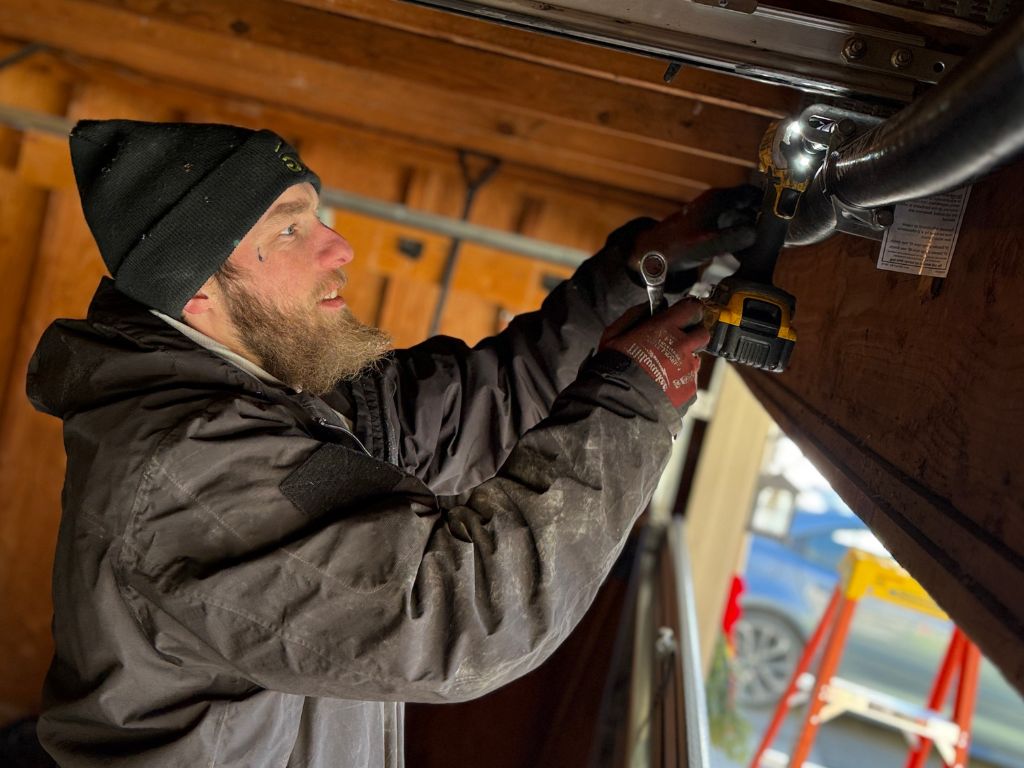
If you do these simple things, you will reduce the chance of a surprise failure in the middle of a January cold snap. But when the unexpected happens, and you need a fast fix, looking for a reliable "garage door repair minnesota" service is the right move. The key is to choose a company that has experience with the brands you own and the specific conditions of this climate.
Final Thoughts
A garage door is a complex system of springs, cables, tracks, and electronics. In Minnesota, that system faces extreme temperatures, moisture, and salt. Understanding the components and keeping up with basic maintenance helps you avoid costly repairs. But when a spring breaks, a track bends, or an opener fails, do not hesitate to call someone who knows the trade. The few hours of downtime are worth the peace of mind that comes with a properly functioning door.